
Windproof Zipper Roller Blinds: The Complete Guide for Patios & Commercial Terraces
Published August 28, 2026 · By AluShed Team · 10 min read
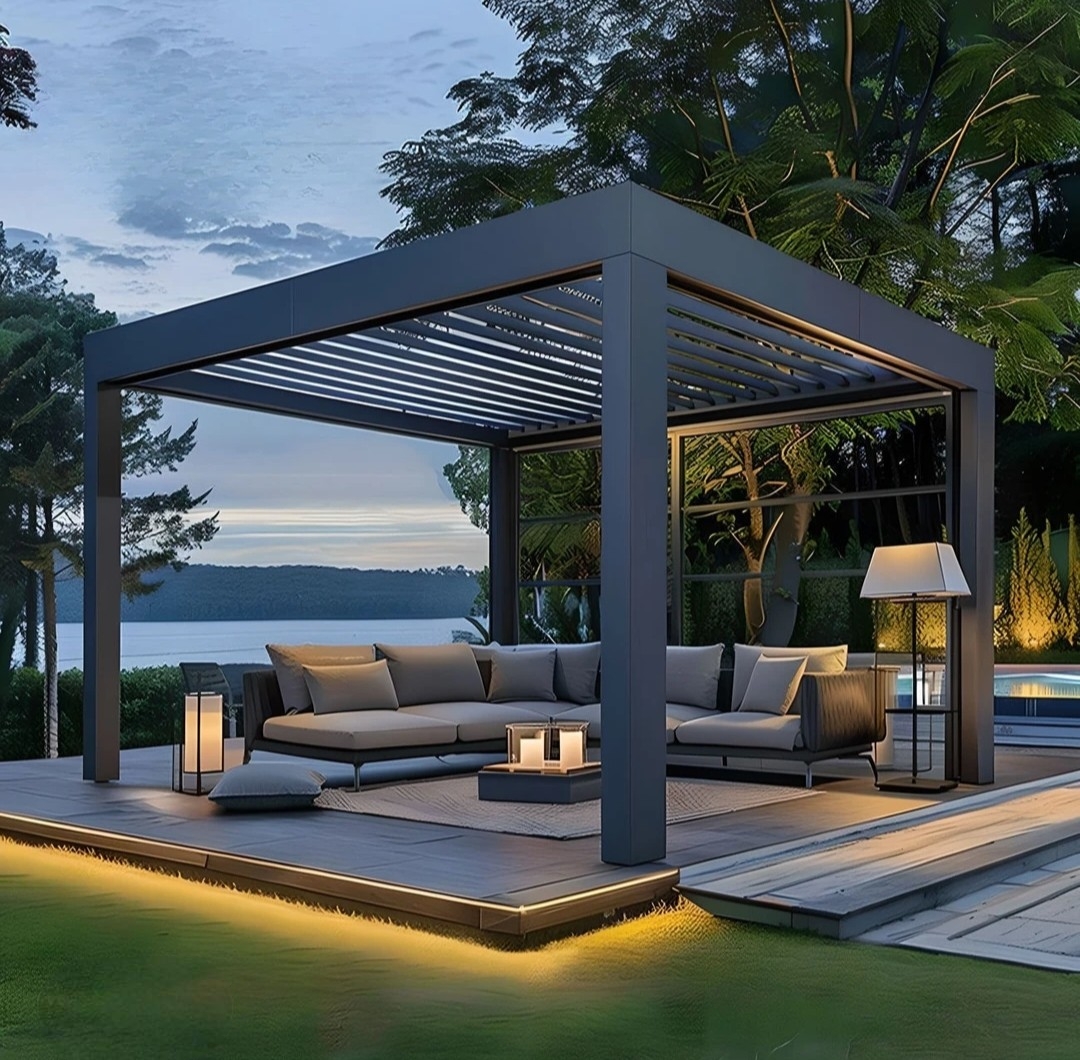
A windproof zip screen (zipper roller blind) costs /m虏 factory direct, withstands 120 km/h winds (closed), blocks 95% UV with 5% openness mesh, and covers up to 6m wide 脳 4m high per panel. The zip-lock side channel is the key difference from standard blinds 鈥?it eliminates light gaps and prevents fabric blowout. Choose 5% dark gray mesh for the best balance of shade, airflow, and visibility (AluShed's most popular option). Pair with a louvered pergola for a fully enclosed 4-season outdoor room. Motorized with remote, WiFi app, and optional wind sensor (auto-retract).
If you've ever sat on a patio enjoying the breeze — only to have a sudden gust of wind blow everything sideways — you already understand the value of windproof zipper roller blinds. Also called zip screens, zipper-track blinds, or outdoor wind curtains, these systems are the fastest-growing accessory for pergolas, patios, and commercial terraces worldwide.
Unlike ordinary roller blinds that flap and tear in wind, zipper screens use a unique zip-track system that locks the fabric edge into an aluminum side channel. The result? A taut, wind-resistant barrier that stays put even in strong gusts — while still letting air flow through the mesh fabric.
In this complete guide, we cover everything: how zipper blinds work, fabric options, wind resistance ratings, installation, pricing, and whether they're worth the investment for your project.
📑 Table of Contents
- What Are Windproof Zipper Blinds?
- How Does the Zip-Track System Work?
- Fabric Options: PVC Mesh vs Acrylic vs Solid
- Wind Resistance: What Grade Do You Need?
- 7 Key Benefits of Zipper Screens
- Installation Guide: DIY or Professional?
- Pricing: How Much Do Zipper Blinds Cost?
- Maintenance & Care Tips
- Frequently Asked Questions
1. What Are Windproof Zipper Blinds?
Windproof zipper roller blinds are vertical outdoor shading systems designed to enclose the sides of a pergola, patio, or terrace. They consist of four main components:
- Headbox — An aluminum cassette at the top that houses the roller tube and motor. Protects the fabric when retracted.
- Fabric panel — A wide sheet of PVC-coated polyester mesh or acrylic fabric that rolls up and down.
- Side tracks (zip channels) — Aluminum rails on both sides with a zipper-like groove that locks the fabric edge in place.
- Bottom bar — A weighted aluminum bar at the bottom that keeps the fabric taut and guides it into the tracks.
The defining feature is the zipper-edge technology. A continuous zip is welded or sewn to each vertical edge of the fabric. This zip slides inside a specially designed aluminum channel, preventing the fabric from blowing out of the track — even under significant wind pressure.
These systems are almost always motorized, operated by remote control, wall switch, or smart app. Manual crank options exist for small sizes but are rare for anything over 3m wide.
2. How Does the Zip-Track System Work?
The magic of windproof blinds is in the side track design. Here's the step-by-step mechanics:
- Fabric edge preparation: A polyethylene zip strip is ultrasonically welded to each vertical edge of the fabric. This creates a rigid, reinforced edge that won't tear.
- Track insertion: The zip strip slides into a C-shaped groove inside the aluminum side track. The groove is narrower than the zip bead, so the fabric is physically locked in — it cannot pull out sideways.
- Rolling operation: When you press the remote, the tubular motor inside the headbox rotates the roller tube, winding or unwinding the fabric. The zip edges slide smoothly up or down inside the tracks.
- Bottom bar guidance: The weighted bottom bar keeps constant tension on the fabric, preventing sagging and ensuring the zip edges stay aligned with the tracks.
- Wind pressure resistance: When wind pushes against the fabric, the zip edges distribute the force evenly along the entire track length — rather than concentrating it at a few attachment points like ordinary blinds.
3. Fabric Options: PVC Mesh vs Acrylic vs Solid
The fabric you choose determines visibility, airflow, privacy, and durability. Here are the three main types:
| Fabric Type | Openness | Visibility | Wind Rating | Best For |
|---|---|---|---|---|
| PVC Mesh (5%) | 5% holes | Good outward view, moderate privacy | High (air passes through) | Patios, restaurants, windy areas |
| PVC Mesh (3%) | 3% holes | Reduced view, more privacy | Medium-High | Bedrooms, bathrooms, private areas |
| Acrylic Canvas | 0% (solid) | No see-through, full privacy | Medium (catches more wind) | Full privacy, rain blocking, cold climates |
| Clear PVC Vinyl | 0% (transparent) | Clear view, blocks wind & rain | Low-Medium | Restaurant winter enclosures, pool areas |
Most popular choice: 5% PVC mesh in dark gray or black. The dark fabric provides excellent outward visibility (like sunglasses for your patio) while blocking 90–95% of UV rays. The 5% openness allows air to circulate, reducing wind pressure and making it ideal for tropical climates like Malaysia, Singapore, and Thailand.
Color options: White, ivory, gray, anthracite, black, beige, brown, and custom RAL colors. Dark colors (gray/black) provide better outward visibility and hide dirt better than light colors.
4. Wind Resistance: What Grade Do You Need?
Wind resistance depends on three factors: fabric openness, panel width, and track quality. Here's what to expect:
- Small panels (≤3m wide): 5% mesh fabric can withstand 100–120 km/h (Grade 10–11). The fabric's openness allows wind to pass through, reducing pressure.
- Medium panels (3–5m wide): Expect 80–100 km/h (Grade 8–9). Larger panels have more surface area catching wind.
- Large panels (5–6m wide): 60–80 km/h (Grade 7–8). Most manufacturers recommend retracting in storms above this range.
- Solid acrylic fabric: Generally 30–50% lower wind rating than mesh because the solid fabric catches full wind force.
5. 7 Key Benefits of Zipper Screens
① Wind Protection Without Losing Airflow
Unlike glass panels or solid walls, mesh zipper screens block direct wind gusts while allowing filtered air to pass through. This makes them perfect for tropical climates — you get breeze without the wind-chill or flying debris.
② Insect & Pest Control
5% mesh is fine enough to keep out mosquitoes, flies, and other insects — essential for outdoor dining in Malaysia and Southeast Asia. Enjoy your patio dinner without bug spray.
③ UV & Sun Protection
Quality PVC mesh blocks 90–98% of harmful UV rays, protecting your furniture, flooring, and skin from sun damage. It also reduces glare significantly.
④ Privacy on Demand
Lower the blinds for instant privacy from neighbors or passersby. Raise them when you want an open view. Dark mesh fabrics provide daytime privacy (people outside can't see in, but you can see out).
⑤ Rain & Light Weather Protection
While not 100% waterproof (mesh allows some mist through), zipper screens significantly reduce rain blow-in and protect against light rain. For full rain protection, pair with clear PVC vinyl panels or a closed louvered pergola roof.
⑥ Energy Savings
By blocking direct sun and wind, zipper screens reduce the heat load on adjacent indoor spaces — lowering air conditioning costs by up to 20% in summer months.
⑦ Aesthetic Value & ROI
For restaurants, cafes, and hotels, zipper screens effectively increase usable outdoor seating capacity. A 20-seat terrace that's only usable 50% of the year due to wind/rain can become usable 90%+ — directly increasing revenue.
6. Installation Guide: DIY or Professional?
Zipper blind installation requires precision — the side tracks must be perfectly vertical and parallel, or the fabric will bind and wear prematurely. Here's what's involved:
Installation Steps (Professional)
- Measure: Accurate width and height measurements, checking that the mounting surface is flat and strong enough (concrete, brick, or solid timber — not plasterboard).
- Mount headbox: Screw the aluminum headbox to the wall or pergola post using appropriate anchors.
- Install side tracks: Fix both aluminum tracks vertically, ensuring they're parallel (use a spirit level). Gap between tracks must match fabric width exactly.
- Insert fabric: Feed the zip edges into the tracks from the top, then attach the bottom bar.
- Wire motor: Connect the tubular motor to power (240V or 12V DC) and pair the remote control.
- Set limits: Program the motor's upper and lower limits so the fabric stops at the correct positions.
- Test: Run the system up and down several times, checking for smooth operation and proper fabric tension.
DIY feasibility: Possible for experienced handypersons with small panels (≤3m), but motor wiring and limit setting can be tricky. For commercial projects or anything over 3m, professional installation is strongly recommended. A poorly installed zip screen will bind, wear unevenly, and may void the warranty.
Installation time: 1–2 hours per panel for a professional installer. Most residential projects (3–4 panels) are completed in one day.
7. Pricing: How Much Do Zipper Blinds Cost?
Prices vary significantly by size, fabric, motor brand, and quantity. Here are factory-direct FOB prices from AluShed (excluding shipping and installation):
| Size (W×H) | 5% PVC Mesh (FOB) | Acrylic Canvas (FOB) | Clear PVC (FOB) |
|---|---|---|---|
| 2×2.5m | $180–$250 | $220–$300 | $200–$280 |
| 3×2.5m | $250–$350 | $300–$420 | $280–$380 |
| 4×3m | $350–$500 | $420–$600 | $400–$550 |
| 5×3m | $450–$650 | $550–$780 | $520–$720 |
| 6×3m (max) | $550–$800 | $680–$950 | $640–$880 |
Optional add-ons:
- Somfy motor upgrade: +$80–$150 per unit
- Wind/rain sensor: +$80–$200
- Smart home / WiFi module: +$50–$150
- Custom RAL color: +$30–$80 per unit
- Installation (local): 20–30% of product cost
8. Maintenance & Care Tips
Zipper blinds are low-maintenance but not zero-maintenance. Follow this routine for 10+ years of trouble-free operation:
- Monthly: Hose down the fabric with plain water to remove dust and pollen. Use a soft brush for stubborn spots.
- Every 3 months: Clean the side tracks with a damp cloth to remove dirt buildup that can cause the zip to stick.
- Every 6 months: Lubricate the zip tracks with silicone spray (not oil-based lubricants). Wipe excess.
- Annually: Inspect fabric for tears, check mounting screws for tightness, test motor limits, and verify wind sensor operation.
- Never: Use bleach, abrasive cleaners, or pressure washers on the fabric. Never force the blinds if they're stuck — check for obstructions first.
- Storms: Retract blinds during severe weather. If left down and damaged by extreme wind, the fabric may need replacement (typically $50–$150 per panel for re-fabrication).
9. Frequently Asked Questions
Can zipper blinds be installed on any pergola?
Most pergolas with vertical posts or a solid wall frame can accommodate zipper blinds. The key requirement is a flat, strong mounting surface for the headbox and side tracks. Freestanding pergolas may need reinforcing posts to handle the additional wind load. AluShed pergolas are pre-designed with integrated mounting points for our zip screen systems.
Are zipper blinds waterproof?
Mesh fabrics (3% and 5% openness) are not 100% waterproof — they allow some mist and fine rain through. However, they significantly reduce rain blow-in. For full waterproofing, choose clear PVC vinyl or solid acrylic canvas. Note that solid fabrics have lower wind ratings because they catch full wind force.
How long does the fabric last?
Quality PVC mesh fabric lasts 8–12 years in normal conditions, 5–8 years in harsh coastal environments. Acrylic canvas typically lasts 10–15 years. Clear PVC vinyl yellows and becomes brittle faster (5–8 years). All fabrics can be replaced without replacing the aluminum frame and motor — a cost-effective refurbishment option.
Can I operate zipper blinds with my phone?
Yes. Most modern motors (Somfy, Dooya) offer WiFi or smart home modules that allow control via smartphone app, voice assistants (Alexa, Google Home), or integration with your pergola's existing smart control system. You can also set schedules — e.g., automatically lower at sunset for privacy.
What's the maximum size for a single panel?
Most manufacturers max out at 6m wide × 3.5m high per panel. For larger openings, multiple panels can be installed side by side with minimal gap between them. AluShed offers custom sizes up to 6×3.5m with reinforced profiles for commercial applications.
Ready to Add Windproof Screens to Your Project?
AluShed manufactures complete pergola + zip screen systems with factory-direct pricing. OEM/ODM available, CE certified, 5-year warranty on motors.